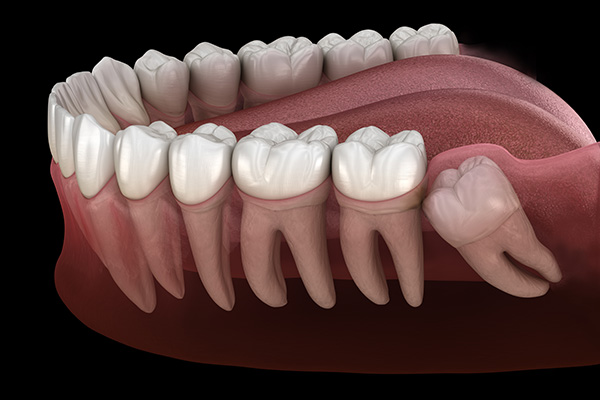
Your can remove your wisdom tooth. Some people find their wisdom teeth bothersome. Stopping the pain is often the motivating factor in such a procedure. If you want to know what happens when your general dentist extracts your wisdom tooth, here are the details.
The procedure
The general dentist can perform the wisdom tooth extraction in the clinic. Having the surgery at the hospital is an option. The dentist will recommend this if the patient wants to have all the wisdom teeth pulled out. It may be a suggestion as well if the patient’s risk for complications is high. The dentist will delay the surgery if the patient has dental infections. Antibiotic therapy will clear them up first.
Wisdom tooth extraction starts by numbing the area with a local anesthetic. The general dentist will use a general anesthetic if the patient wants a complete extraction of all wisdom teeth. This type of anesthetic will cause the patient to sleep and prevent pain. The patient will have to abstain from drinking or eating after midnight before the dental surgery.
Impacted wisdom teeth will involve opening up the gum tissue covering the wisdom tooth. The dentist will cut into the gum tissue and take out any piece of bone covering the tooth. Then, the dentist will cut the tissue connecting the jawbone to the tooth. Removal of the wisdom tooth follows. The dentist might cut the tooth into smaller fragments. This allows for the easy removal of the tooth.
Stitches follow after the extraction. The general dentist will remove them after a few days. Other stitches will dissolve on their own. A cotton gauze over the surgical areas will help stop them from bleeding.
After the surgery
Recovery will last for a few days. The general dentist will prescribe pain relievers to help manage the pain and inflammation. Eating or drinking must wait until the numbing fades. The patient must elevate the head with pillows while lying down. Relaxing is an order. Strenuous physical activity will worsen the bleeding.
A liquid or soft diet will allow the wounds to heal better. Using a straw is not advisable. The sucking motion will dislodge the blood clot and prolong healing. Rinsing the mouth with warm salt water a day after the surgery will relieve pain and reduce inflammation. The patient should not smoke until the healing is complete. Smoking slows down blood circulation and introduces bacteria into the mouth.
The patient should avoid rubbing the sites with the tongue. This could dislodge the clots and delay healing. Touching the sites will introduce bacteria and trigger an infection. Daily brushing and flossing must continue with care.
The reasons for extraction
The general dentist may want to correct or prevent dental problems in the future. That is why wisdom tooth extraction must happen. Partial and complete wisdom tooth impaction are strong reasons to remove the tooth. Perpendicular growth of the tooth, infection, and cyst formation are other reasons for this procedure.
Your general dentist will perform a wisdom tooth extraction to maintain your oral health
The growth and development of wisdom teeth are different for every person. Extraction is an order if these teeth are causing problems or might cause problems in the future. Your general dentist will make sure you have a painless procedure. An appointment with your general dentist will inform you about the details of your wisdom tooth extraction.
or call Bliss Dental at 305-564-2530 for an appointment in our Kendall office.
Related Posts
Consistently visiting the same general dentist helps patients achieve better oral health outcomes and ensures personalized dental care. Building an ongoing relationship with a general dentist allows for a thorough understanding and effective monitoring of oral health over time. Additionally, health monitoring with a familiar general dentist supports early detection of dental issues, customized treatments,…
A general dentist relies on digital X-rays as a critical diagnostic tool to evaluate oral health, detect issues early, and guide treatment decisions. These high-resolution images offer detailed insight into structures not visible during a routine visual exam, making them essential for both preventive and restorative care. Digital X-rays are safer, faster, and more comfortable…
While professional cleanings and checkups with a general dentist are an essential part of your oral health, personal oral hygiene habits contribute to your long-term dental well-being. Individuals who prioritize oral hygiene between routine dental visits experience fewer dental issues and maintain healthier smiles. The following five strategies can help you effectively manage your oral…