Is Teeth Whitening Safe for Sensitive Teeth?
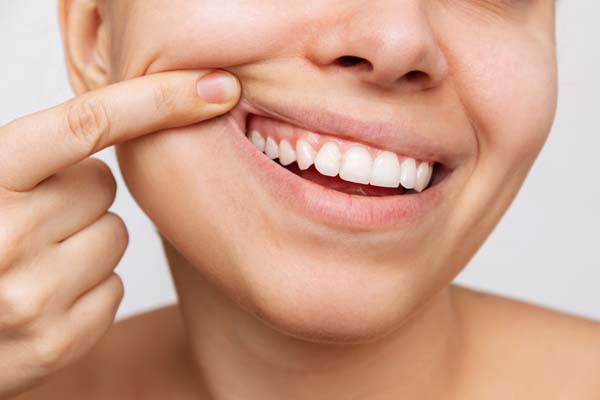
Teeth whitening appeals to everyone with a dull smile, including those with sensitive teeth. While it remains a viable stain-lifting option, sensitivity-prone patients should approach treatment with caution to avoid irritation while still improving smile brightness. Custom take-home trays from a general dentist help control dosage and fit, reducing many common triggers of sensitivity.
Why do sensitive teeth react during whitening?
The teeth may feel extra sensitive when whitening agents pass through microscopic pores in the enamel and reach the underlying dentin, a much softer layer that lies over the nerves and blood vessels. This process can temporarily stimulate the nerve inside the tooth, leading to sharp or lingering sensations. People with thinner enamel, gum recession, exposed roots, or existing wear are more likely to experience sensitivity during teeth whitening treatments.
Additional dental concerns also increase the risk. Cavities, cracked enamel, worn fillings, or inflamed gums can intensify discomfort during whitening. Because whitening does not treat these issues, a professional evaluation helps prevent unnecessary irritation and ensures the teeth are ready for cosmetic treatment.
Is teeth whitening safe for sensitive teeth?
Teeth whitening is generally considered safe for sensitive teeth when it is customized rather than standardized. Identifying the cause of sensitivity allows the dentist to adjust whitening strength, frequency, and duration accordingly. When whitening begins without addressing sensitivity triggers, discomfort becomes far more likely.
A dentist-guided plan focuses on gradual improvement rather than immediate intensity. Custom take-home trays allow patients to pause or modify treatment if sensitivity develops, helping maintain comfort without compromising results. This flexibility makes whitening more accessible for patients who previously believed sensitivity disqualified them from cosmetic care.
Why custom take-home trays made a difference
Dentists craft custom take-home trays using impressions or digital scans to ensure a precise fit, keeping whitening gel evenly distributed across the teeth while preventing it from overflowing onto the gums. Reduced gum contact lowers irritation and improves overall comfort during treatment.
Medical-grade whitening solutions, when used with custom trays, provide consistent, predictable results. Since the dentist recommends the appropriate concentration and wear time, sensitive patients avoid the guesswork associated with over-the-counter (OTC) products. Teeth whitening progresses gradually, allowing enamel to adapt while still producing visible shade improvement.
How dentists reduce sensitivity during teeth whitening
Dentists often recommend strengthening enamel before whitening begins. Desensitizing toothpaste, fluoride use, and gentle brushing techniques help reduce nerve response and improve tolerance. Addressing habits such as clenching, drinking acidic beverages, or aggressive brushing also supports comfort.
During teeth whitening, adjustments keep sensitivity under control. Shorter sessions, fewer applications per week, and precise gel placement make a noticeable difference. In some cases, desensitizing gels are used between whitening sessions to calm the teeth and maintain progress without increasing discomfort.
Managing sensitivity during teeth whitening treatment
During teeth whitening, adjustments help keep discomfort under control. Shorter wear times, fewer sessions per week, and careful gel placement reduce enamel exposure while still supporting results. If sensitivity develops, treatment pauses briefly rather than stopping entirely. Some patients may also benefit from a desensitizing gel used on non-whitening days. This approach calms the nerve response while allowing whitening progress to continue gradually. The ability to adjust treatment pace makes take-home whitening especially effective for sensitive teeth.
What to avoid when whitening sensitive teeth
OTC whitening products can cause problems for sensitive teeth. Generic trays and whitening strips lack a precise fit, allowing the gel to reach the gum tissue and contact the enamel unevenly. These issues frequently increase irritation and lead to inconsistent results.
Additionally, certain habits can also worsen sensitivity during teeth whitening. Cold beverages, acidic foods, and frequent snacking weaken enamel and amplify nerve response. Extending wear times or increasing frequency to speed results increases discomfort without improving effectiveness.
Long-term results and maintenance
Teeth whitening results last longer when sensitivity is controlled. Maintaining enamel health through good oral hygiene, routine dental visits, and reduced acid exposure supports long-term brightness. The dentist can typically space touch-up schedules further apart when whitening progresses gradually rather than aggressively.
Custom trays allow future maintenance without restarting the entire process. Considering treatment remains controlled and individualized, sensitive patients often maintain results comfortably over time. Teeth whitening becomes a manageable cosmetic option rather than a one-time challenge.
Call us for more information
Teeth whitening can be safe for sensitive teeth when it begins with a consultation and uses custom take-home trays with medical-grade whitening solutions. A personalized approach addresses the causes of sensitivity, supports enamel health, and allows adjustments throughout treatment. If you are interested in brightening your smile, contact Bliss Dental to schedule an appointment.
Request an appointment here: https://blissdentalmiami.com or call Bliss Dental at (305) 564-2530 for an appointment in our Kendall office.
Check out what others are saying about our dental services on Yelp: Teeth Whitening in Kendall, FL.
Related Posts
Achieving a radiant smile through professional teeth whitening at home remains one of the most effective ways to enhance confidence while enjoying the comfort of a personal schedule. Many individuals desire a brighter aesthetic but prefer the convenience of managing their own treatment timeline rather than spending hours in a dental chair. With a structured…
Dentures will give you the freedom to smile, speak, and eat well. These custom-fit restorations can provide comfort while wearing them. Knowing how these restorations can help your appearance, you can make informed decisions before your treatment. Here are the details on how dentures can enhance your smile.Dentures can replace missing teeth and can be…
False teeth, or dentures, are the traditional option for replacing any number of missing teeth for many reasons. They are easy to use and affordable and can also be custom-made for each patient. Discover the many benefits of custom dentures below.Since dentures replace missing teeth, they make it much easier to bite off and chew…
Losing multiple teeth can affect not only oral health but also self-confidence, preventing you from fully participating in social situations and living a fulfilling life. Dentures are an effective solution to replace missing teeth, offering functional and psychological benefits. They can restore your smile and ability to speak confidently and chew food efficiently while improving…