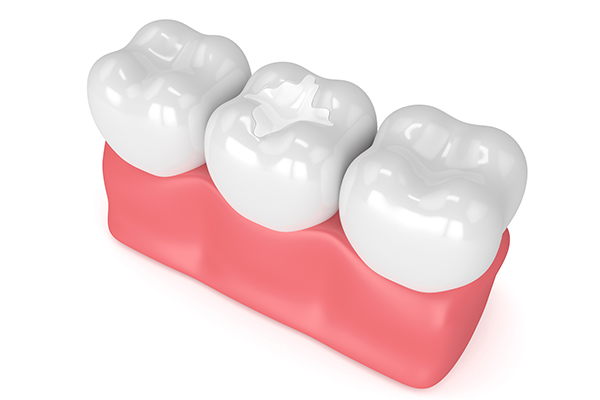
 Your general dentist can use dental fillings to repair your cavities. A cavity could mean destruction for your tooth. A cavity may start as a tiny hole. Over time, it increases in size and depth. Dental fillings are the immediate solutions to every cavity you may have. If you want to find out how your general dentist uses fillings to treat tooth decay, here are the details.
The definition of tooth decay
Tooth decay is when bacteria eat through the teeth and leave a hole behind. This hole or cavity still has the bacteria. It will keep getting bigger if it does not get treatment. Then, the cavity will lead to infection, which could spread to the jawbone and the bloodstream. The general dentist must remove the decaying part of the tooth.
Why a dental cavity needs a filling
Tooth decay causes sensitivity as it worsens. It could get big enough to reach the inner nerves of the tooth. This will continue to be a site of inflammation and infection. The general dentist must remove the decayed part of the tooth as early as possible. Doing so will prevent the progression of tooth decay.
Severe decay will leave the patient with a small amount of dental structure. The remaining healthy dental structure is weak. The weakness of the tooth will cause serious problems if the tooth does not receive enough support. That is why a dental crown should go over the tooth. The crown will protect the tooth from future trauma and bacterial infection.
Filling the cavity
The general dentist will remove the decayed tissue from the inside of the cavity. Removing dental decay will damage the tooth even more. The dentist will place a filling into the decayed portion of the tooth. This will replace the damaged part of the tooth.
Numbing the area near the decayed tooth (or teeth). This will include the jaw and the gums. Drilling the decay will come next. The dentist will clean out the tooth as a preparation for the dental filling. Selecting the right dental filling will then determine the method of placement.
The types of dental fillings
Many dentists use composite resin because its color mimics that of natural teeth. Some dental care providers use glass ionomer and silver fillings. The general dentist will mold the filling around the tooth. Aesthetics and function are the main goals in placing the dental filling.
Reasons for placing a temporary filling
A sedative or temporary filling is a dental procedure for a tooth with an indefinite condition. A general dentist can give a patient this filling as an intermediate method. Saving the tooth might take more extensive treatments. A temporary filling is an immediate solution when the patient comes in for a painful cavity.
Your general dentist can use dental fillings to treat and protect your tooth decay
Tooth decay can lead to more harmful health conditions if it does not get the right treatment. The cavity must be cleaned out, disinfected, and filled right away. This will relieve your dental pain and protect your tooth from further damage. Routine appointments with your general dentist will give you early dental filling treatments for every developing cavity.
Request an appointment or call Bliss Dental at 305-564-2530 for an appointment in our Kendall office.
Related Posts
Consistently visiting the same general dentist helps patients achieve better oral health outcomes and ensures personalized dental care. Building an ongoing relationship with a general dentist allows for a thorough understanding and effective monitoring of oral health over time. Additionally, health monitoring with a familiar general dentist supports early detection of dental issues, customized treatments,…
A general dentist relies on digital X-rays as a critical diagnostic tool to evaluate oral health, detect issues early, and guide treatment decisions. These high-resolution images offer detailed insight into structures not visible during a routine visual exam, making them essential for both preventive and restorative care. Digital X-rays are safer, faster, and more comfortable…
While professional cleanings and checkups with a general dentist are an essential part of your oral health, personal oral hygiene habits contribute to your long-term dental well-being. Individuals who prioritize oral hygiene between routine dental visits experience fewer dental issues and maintain healthier smiles. The following five strategies can help you effectively manage your oral…