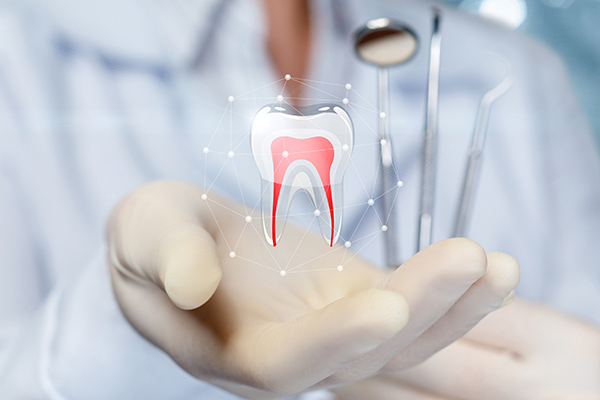
 Your general dentist can perform a root canal treatment. The function and sensation of a natural tooth are better than what any tooth-replacement system can give. A root canal procedure must happen to save your natural tooth. If you are about to get a root canal soon, here are some FAQs and a general dentist’s answers to them.
What is a root canal treatment?
A root canal treatment (endodontic therapy) involves the removal of the pulp through the root canal system inside the affected tooth. A tooth may have more than one root. It can also have one or two canals within each root. The general dentist will clean out the canal and shape it. Then, the dentist will fill the space with gutta-percha. The application of a dental sealant and a dental crown will follow.
What are the possible reasons for having a root canal?
A tooth infection reaching the tooth’s nerves is a strong reason for getting a root canal treatment. Someone with a deep cavity or extensive tooth decay will also have a root canal. A general dentist will also say that a broken or cracked tooth also qualifies for root canal therapy. This is possible if the damage reaches below or above the gumline. Having repeated fillings in the same tooth is a reason for getting a root canal treatment as well.
Are there alternatives to root canal therapy?
The only alternative to a root canal treatment is a dental extraction. Removing the tooth must happen to prevent the infection from spreading to other teeth and to the jawbone. It is only the last resort. The general dentist always offers to remove the infection and save the natural tooth. Any dentist does the same. Tooth restoration cannot come close to having the texture, appearance, and function of a natural tooth.
Is a root canal painful?
Many people think of a root canal as a terrible and painful procedure. Decades ago, this might have been true. It is different now. The discomfort during a root canal is much like the one during a dental filling. The general dentist will make sure the patient’s tooth gets proper anesthesia. This will make the procedure painless.
What is the main benefit of a root canal?
Root canal therapy is an important procedure for restoring an abscessed or infected tooth. The infected dental pulp inside the tooth needs this treatment. The infected dental pulp may result in more infection, jawbone loss, or tooth loss if it does not receive treatment. The general dentist aims to save the patient’s tooth to maintain its natural sensation, appearance, and function. A root canal therapy can also protect the neighboring teeth from extensive dental repairs.
Your general dentist can save your natural tooth with a root canal treatment
A natural tooth is valuable. Months of development made it into the perfect tool for biting and chewing. It connects to the brain through the nerves, allowing it to bite or chew with the right amount of force. Saving your natural tooth is a priority. This can happen with a root canal treatment. An appointment with your general dentist will confirm whether you need a root canal or not.
Request an appointment or call Bliss Dental at 305-564-2530 for an appointment in our Kendall office.
Related Posts
Consistently visiting the same general dentist helps patients achieve better oral health outcomes and ensures personalized dental care. Building an ongoing relationship with a general dentist allows for a thorough understanding and effective monitoring of oral health over time. Additionally, health monitoring with a familiar general dentist supports early detection of dental issues, customized treatments,…
A general dentist relies on digital X-rays as a critical diagnostic tool to evaluate oral health, detect issues early, and guide treatment decisions. These high-resolution images offer detailed insight into structures not visible during a routine visual exam, making them essential for both preventive and restorative care. Digital X-rays are safer, faster, and more comfortable…
While professional cleanings and checkups with a general dentist are an essential part of your oral health, personal oral hygiene habits contribute to your long-term dental well-being. Individuals who prioritize oral hygiene between routine dental visits experience fewer dental issues and maintain healthier smiles. The following five strategies can help you effectively manage your oral…