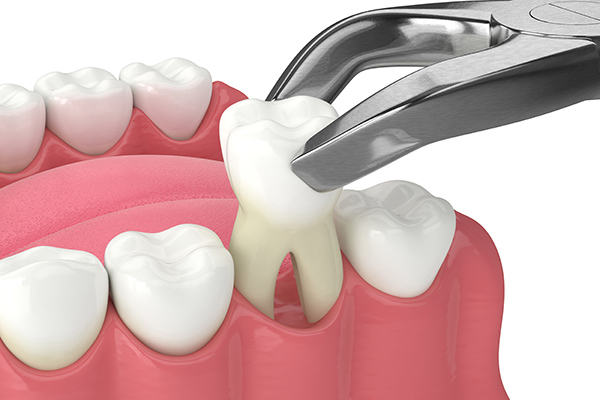
In , there are many reasons for tooth extractions. Your dentist might be talking to you about extracting one or more teeth. Dentists will try to preserve your natural teeth, but in some cases, you will have improved oral health if you get the tooth removed. Here are some common reasons why a dentist may suggest a tooth extraction.
Tooth extractions and general dentistry
Tooth extraction in general dentistry is usually an outpatient procedure. Dentists use some kind of pain relief or anesthesia during the process. If the dentist is removing an intact tooth, it can be a quick procedure. Cracked or broken teeth can take longer to remove.
Too crowded in here
Sometimes, a dentist will extract a healthy tooth because there is not enough room in the mouth. Some patients have small mouths, while others may have teeth that are too large. Overcrowding can lead to oral health issues and create alignment problems. Some people worry that extracting a crowded tooth will make the mouth look lopsided, but it can actually improve the appearance.
Stopping infection in its tracks
In some cases, the dentist cannot resolve tooth decay in a tooth. The cavity could be too extensive, and the infection could threaten nearby teeth. Often people have underlying health issues or depressed immune systems. General dentistry will usually try doing a root canal first. The dentist can also prescribe antibiotics. If those therapies are not successful, then the next step may be tooth extraction.
Patients who are going to undergo chemotherapy might opt for a tooth extraction. Under normal circumstances, patients with infection in a tooth may try saving the tooth with antibiotics or a root canal. But chemotherapy can lower the immune system, meaning that the infection may not clear up and could instead get worse. For those patients, tooth extraction can mean better oral health, especially during a difficult period of health.
Extracting impacted teeth
Sometimes, an adult tooth is present but has not erupted. A young person might have lost a baby tooth only to find that the adult tooth is not moving down. Over time, the other teeth can move into the open space, creating alignment issues. A dentist can extract the stubborn tooth and use braces to move the tooth into place.
When to think twice about tooth extraction
Most people do well or even have improved oral health after tooth extraction. However, some people with certain health conditions should discuss those conditions with the dentist. Those conditions include:
- Heart defects, damaged or man-made heart valves
- History of bacterial endocarditis
- Liver disease
- An impaired immune system
Having these conditions does not mean a patient cannot get a tooth extracted, but the dentist needs to know about these medical conditions beforehand.
Check out what others are saying about our dental services on Yelp:
Tooth extraction for better oral health
You might be nervous about what a tooth extraction means. General dentistry does tooth extractions to create better oral health outcomes. You might have overcrowding issues, an impacted tooth, or issues with infection and tooth decay. Dentists will try to save your teeth, but sometimes it is important for your health to have a dentist extract a tooth.
or call Bliss Dental at 305-564-2530 for an appointment in our Kendall office.
Related Posts
Scheduling an appointment with a general dentist is a strong step toward maintaining long-term oral health. If you have never visited a general dentist before or are looking for one in a new area, knowing what to expect can help reduce anxiety and facilitate a more positive overall experience. A general dentist can provide comprehensive…
A general dentist focuses on both treating and preventing common oral health concerns such as tooth decay and gum disease. Maintaining healthy gums and teeth plays a key role in overall wellness and can help prevent more serious dental problems over time. Following consistent oral hygiene habits and receiving routine care from a general dentist…
A general dentist provides prompt treatment and peace of mind in a dental emergency. They work quickly to relieve pain and restore oral health, often restoring beauty to the smile at the same time. Emergencies can be hard to plan for, but knowing what to do in the event of one can make all the…