How Long Do Dental Implants Really Last?
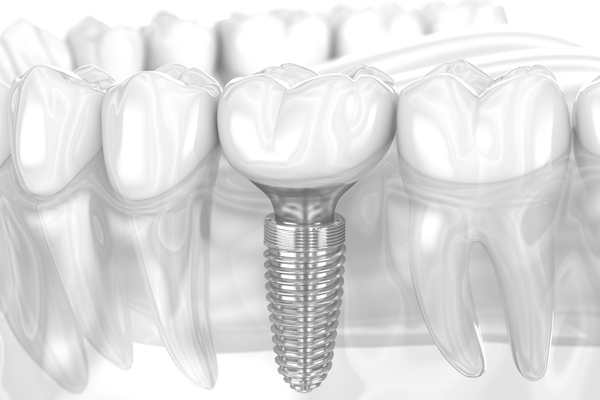
Dental implants replace tooth roots, anchoring right into the jawbone. They support natural chewing forces, protect the jawbone from tissue loss, and stabilize confident smiles. This design makes them a smart investment for those seeking a long-term solution to replace missing teeth. While dental implants can last a lifetime, their longevity depends on proper care and your overall health.
The longevity of dental implants
An implant can function for decades when it integrates well with the jawbone, helping the patient's bite stay balanced and the surrounding gums remain healthy. However, the long-term success of a patient's dental implants includes more than the titanium fixture in the bone. Implant success also includes healthy bone density and soft tissues, as well as a well-fitting dental prosthetic, such as a dental crown, bridge, or fixed denture. Although the dental prosthetic may need replacement after years of service due to wear, the implants themselves often continue to perform without issue.
How long will dental implants last?
During the first year, the dental implants fully fuse with the jawbone, and patients settle into normal chewing and home care. Small bite refinements or screw checks may occur as tissues adapt. Years two through five typically pass without issue due to routine dental cleanings and exams. Many crowns remain intact far beyond this point, though some patients may need minor adjustments.
From years six through 15, occlusal wear or chipping may appear, especially on porcelain or composite resin materials. At this point, the dental prosthetic may need repairs or replacement. However, it is important to note that general wear and tear does not usually affect the implants. In fact, with good health, implants often continue to work comfortably for 20 years or longer.
What factors can influence the implant's durability?
While dental implants are durable, factors can influence how long they last. These include:
- Bone health. A healthy jawbone can better support implants, while a shrinking one may leave them unsupported.
- General health. Diabetes, autoimmune diseases, and other health conditions can negatively impact implant longevity when unmanaged.
- Gum health. Healthy periodontal tissues protect the bone around implants and keep them stable.
- Bite. Unbalanced bites, missing back teeth, or heavy clenching can overload components, but devices like night guards help protect restorations.
- Lifestyle. Tobacco use and poor oral hygiene increase inflammation around the implant sites, potentially shortening their longevity.
Before implant placement, the general dentist will look at the patient's medical and dental history to ensure the patient is a good long-term candidate for dental implants. They can also discuss ways patients can become better candidates. Common examples include quitting smoking, rebuilding the jawbone through bone grafting, and managing their diabetes.
Maintaining dental implants in the long term
<3>Follow a consistent oral hygiene routine
To maintain dental implants, patients need to practice proper at-home care. This care and maintenance starts with consistent brushing and flossing. From there, small upgrades can make the routine more effective. For example, some patients may consider using interdental brushes with nylon-coated wires, super floss designed for bridges and implants, and water flossers. However, using non-abrasive toothpaste and alcohol-free rinses can help protect the gum tissue supporting the implant and dental prosthetics.
Protect against grinding and clenching
Individuals who clench or grind their teeth at night, also known as bruxism, can safeguard their replacement teeth with a custom-fitted night guard. This oral appliance is designed to comfortably fit over their teeth and redistribute the pressure exerted across the dental arch. Nightguards help protect restorations, prevent wear on the remaining natural teeth, and may reduce headaches and neck pain.
Consistent dental visits
Dental implant longevity depends on more than what happens at home. Ongoing checkups allow the dental team to verify tissue health, protect the bite, and keep all smile restoration components performing as intended. At these appointments, the general dentist measures pocket depths around each implant, looks for any signs of inflammation, and recommends treatments as needed.
Potential complications and how to prevent them
Like any dental restoration, there is the potential for complications and failure with dental implants. Not caring for the implants or leaving health conditions like diabetes unmanaged can lead to gum disease around the implant site (peri-implantitis). A general dentist can work quickly to treat the disease and save the implants from implant failure.
However, the best treatment is prevention, and peri-implantitis can be easily prevented. Practice good oral care at home (regular brushing and flossing) and get regular dental cleanings. These steps reduce complications and keep dental implants healthy for the long term.
Get dental implants that last
With the right care, dental implants can last decades, outlasting traditional tooth-replacement options. However, your unique biology, bite forces, and daily habits influence the exact timeline, as they support a well-integrated fixture and healthy tissues. Contact Bliss Dental to learn more or to schedule an appointment today.
Request an appointment here: https://blissdentalmiami.com or call Bliss Dental at (305) 564-2530 for an appointment in our Kendall office.
Check out what others are saying about our dental services on Yelp: Dental Implants in Kendall, FL.
Related Posts
Conventional dentures are common solutions for tooth loss. These are custom-fit dental restorations that can replace your missing teeth and lift your facial. These dental replacements can improve your dental functions as well. Here are the details on how dentures can help you regain your smile.Tooth loss can make eating painful and nerve-racking. The remaining…
Dentures are removable oral appliances that can replace some or all of a person's teeth. Partial and full dentures are among the most widely used tooth replacement options. If you are considering this smile restoration option and are wondering if you should consider full or partial dentures, here are some helpful things to know.Dentures can…
Dental implants provide a fixed tooth replacement option for individuals seeking to restore chewing ability, speech, and the appearance of their smile after tooth loss. Traditional dentures can effectively replace missing teeth, but removable appliances often require adjustments as the gums and jawbone change. Understanding these eight differences between each option can help patients explore…
All-On-4® dental implants provide a comprehensive way to replace a full set of teeth using a fixed bridge that stays securely in the mouth at all times. This method serves as a permanent alternative to traditional removable dentures. Understanding the criteria for candidacy, the factors influencing the total investment, and the stages of the healing…