What to Expect When Visiting an Emergency Dentist: A Patient’s Framework
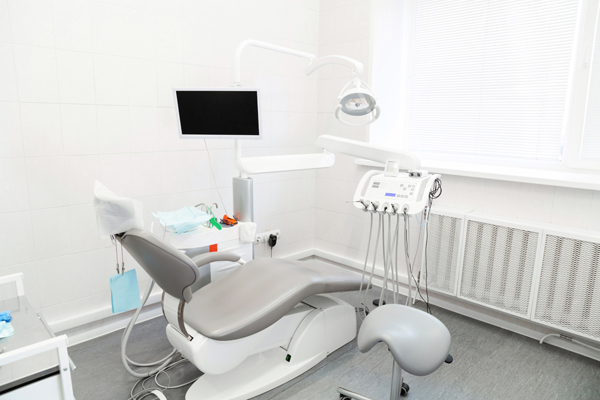
Dental emergencies can happen unexpectedly and lead to severe discomfort. When faced with sudden oral pain, injury, or infection, you should seek immediate care from an emergency dentist. The following framework outlines the typical processes and considerations you can expect from emergency dental care.
What an emergency dentist does and treats
An emergency dentist specializes in providing immediate dental care for unexpected issues that cannot wait for a routine appointment with a general dental provider. These dental professionals can manage severe pain, trauma, or infections that pose risks to oral and overall health.
Common reasons for seeking emergency dental services include:
- Sudden and severe toothache
- Broken or chipped teeth
- Knocked-out teeth
- Swelling or abscesses
- Damaged dental restorations (e.g., crowns or fillings)
The emergency dentist evaluates the patient's situation and determines the underlying cause. Then, they can perform the appropriate treatment to alleviate pain and stabilize the condition. In some cases, the dentist may refer the patient to their regular dental provider or a dental specialist, depending on the patient's unique situation.
When to seek emergency care
It is important to be aware of when to wait and when to seek emergency dental care. Delaying treatment can lead to more severe complications, such as infection spreading to other parts of the body, permanent tooth loss, or damage to surrounding tissues. In cases of severe swelling that causes difficulty breathing or swallowing, patients should seek immediate medical attention from an emergency room, as this may indicate a serious, life-threatening infection.
What to expect when visiting an emergency dentist
The initial assessment and intake process
Upon arrival at an emergency dental office, the visit typically begins with an intake process that gathers critical information. The patient will need to provide medical history, dental records if available, and details regarding their current issue. The dental team prioritizes cases based on the severity of symptoms. For example, a knocked-out tooth or severe swelling involving facial tissues receives immediate attention due to the urgency and time-related health complications.
After collecting the initial details, the emergency dentist will perform a comprehensive assessment. This evaluation may involve visual inspection, digital X-rays, or diagnostic imaging to identify underlying issues. The goal of this stage is to determine the cause of the problem quickly and accurately to guide treatment.
Pain management and immediate relief
Pain is frequently the primary concern during a dental emergency. During the visit, the emergency dentist will focus on providing immediate relief through various pain management techniques. They will typically administer local anesthesia to numb the affected area before treatment begins. After the procedure, the dental team may recommend over-the-counter medication to control discomfort; in severe cases, the dentist may prescribe pain medication. Additionally, for patients experiencing severe swelling or infection, the dentist may prescribe antibiotics to manage bacterial growth and prevent further complications.
Treatment procedures in emergency dentistry
The treatment provided by an emergency dentist varies depending on the nature and extent of the issue. Some of the most common emergency dental treatments include:
- Tooth repair: Cracked or fractured teeth are repaired with bonding materials or crowns to restore the structure and function.
- Tooth extraction: If a tooth is severely decayed, damaged beyond repair, or contributing to infection, extraction may be the best course of action.
- Root canal therapy: When infection reaches the pulp of a tooth, a root canal procedure can remove infected tissue and save the tooth from tooth extraction.
- Reimplantation of knocked-out teeth: Quick action by an emergency dentist can sometimes save a knocked-out tooth if treated within a short time frame (typically within an hour).
- Temporary restorations: For broken fillings or crowns, the emergency dentist may place temporary restorations to protect the tooth until the patient can get a permanent replacement.
Each treatment aims to resolve the immediate problem while preserving as much natural tooth structure as possible.
Aftercare and follow-up recommendations
Following emergency treatment, the dentist provides detailed aftercare instructions to promote healing and prevent recurrence. Common recommendations include maintaining oral hygiene with gentle brushing and rinsing, avoiding hard, crunchy, and sticky foods, and taking prescribed medications as directed. In some cases, patients may need to go to a follow-up appointment to ensure proper recovery and to complete any remaining restorative work. Long-term solutions, such as permanent crowns or implants, may also be discussed at this stage in the recovery process.
Our team is here to help
Visiting an emergency dentist can feel overwhelming, particularly when pain or injury occurs suddenly. Our team is here to help and make the process as quick and painless as possible. Call today to learn more about our emergency dentistry services or to schedule a same-day appointment.
Request an appointment here: https://blissdentalmiami.com or call Bliss Dental at (305) 564-2530 for an appointment in our Kendall office.
Check out what others are saying about our dental services on Yelp: Emergency Dentist in Kendall, FL.
Related Posts
When accidents happen that affect the mouth and teeth, most people visit an emergency dentist to have a broken or missing tooth repaired; however, these dentists are also capable of handling problems that stem from periodontal issues. While gum disease usually progresses slowly, it can cause emergency situations, and knowing when to visit a clinic…
Consistently visiting the same general dentist helps patients achieve better oral health outcomes and ensures personalized dental care. Building an ongoing relationship with a general dentist allows for a thorough understanding and effective monitoring of oral health over time. Additionally, health monitoring with a familiar general dentist supports early detection of dental issues, customized treatments,…
A general dentist relies on digital X-rays as a critical diagnostic tool to evaluate oral health, detect issues early, and guide treatment decisions. These high-resolution images offer detailed insight into structures not visible during a routine visual exam, making them essential for both preventive and restorative care. Digital X-rays are safer, faster, and more comfortable…
While professional cleanings and checkups with a general dentist are an essential part of your oral health, personal oral hygiene habits contribute to your long-term dental well-being. Individuals who prioritize oral hygiene between routine dental visits experience fewer dental issues and maintain healthier smiles. The following five strategies can help you effectively manage your oral…